

As a seasoned supplier of Milk Blender Motors, I've encountered numerous inquiries regarding the adaptability of these motors in wet environments. This topic is not only relevant for consumers but also for industries that require continuous blending in moist conditions. In this blog, I'll delve into the technical aspects, risks, and potential solutions to determine whether a milk blender motor can be used in a wet environment.
Understanding the Basics of Milk Blender Motors
Milk blender motors are designed to power the blades that mix and blend various substances. These motors typically operate on electrical energy, converting it into mechanical energy to rotate the blades at high speeds. They are engineered to be efficient, reliable, and durable under normal operating conditions. However, these conditions usually assume a dry environment.

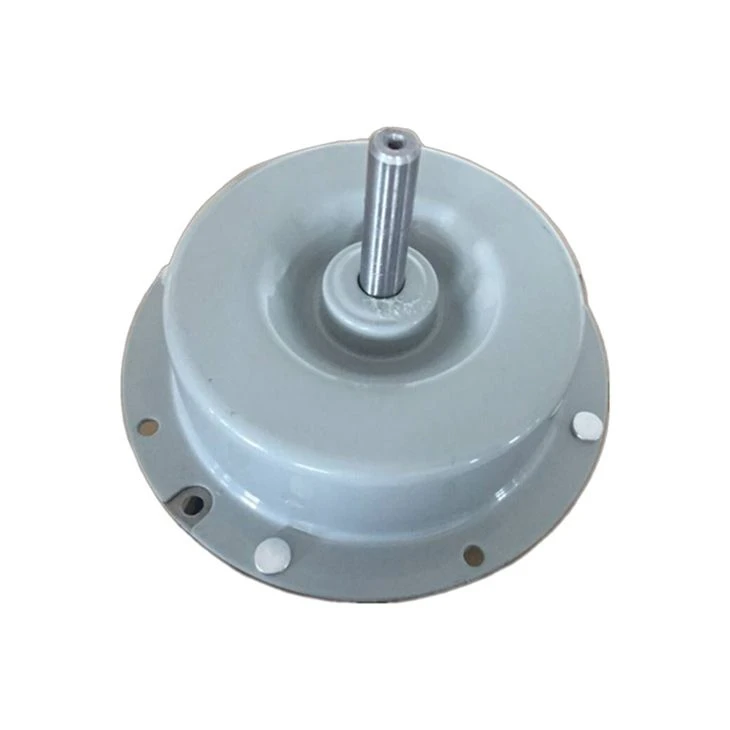
The internal components of a milk blender motor include windings, bearings, and a rotor. The windings are made of copper wire that conducts electricity, and the bearings support the rotating parts. These components are not inherently waterproof and are susceptible to damage when exposed to moisture.
Risks of Using a Milk Blender Motor in a Wet Environment
Exposing a milk blender motor to a wet environment poses several risks. Firstly, water can cause corrosion of the metal components. The copper windings, for example, can develop a layer of oxide when in contact with water, which increases electrical resistance. This, in turn, can lead to overheating of the motor and reduced efficiency. Over time, the corrosion can become severe enough to break the electrical connections, rendering the motor inoperable.
Secondly, moisture can cause short - circuits. When water gets into the electrical components of the motor, it can create an unintended path for the electrical current. This can result in a sudden surge of current, which may damage the motor's insulation and other sensitive parts. A short - circuit can also pose a safety hazard, such as the risk of electric shock.
Thirdly, water can affect the lubrication of the bearings. Most bearings in milk blender motors are lubricated with grease to reduce friction and wear. When water enters the bearing housing, it can wash away the grease, leading to increased friction and premature wear of the bearings. This can cause the motor to make excessive noise and eventually fail.
Case Studies: Failures in Wet Environments
I've witnessed firsthand the consequences of using milk blender motors in wet conditions. In one case, a small dairy shop attempted to use a standard milk blender motor in a refrigerated room where condensation was common. After a few weeks of operation, the motor started to make strange noises, and its performance gradually declined. Upon inspection, we found that the bearings were severely worn due to the loss of lubrication, and the windings had started to corrode. The shop had to replace the motor, incurring unnecessary costs.
Another example is a food processing plant that used milk blender motors in an area with high humidity. The motors were exposed to steam and splashes of water during the blending process. Over time, the electrical insulation of the motors was damaged, leading to short - circuits. This not only caused the motors to fail but also disrupted the production line, resulting in significant losses for the plant.
Potential Solutions for Wet Environments
Despite the risks, there are some solutions that can make it possible to use milk blender motors in wet environments. One option is to use motors with enhanced waterproofing. These motors are designed with special seals and gaskets to prevent water from entering the internal components. For example, some motors have an IP (Ingress Protection) rating, which indicates their level of protection against solids and liquids. A higher IP rating means better protection. Motors with an IP67 rating, for instance, are dust - tight and can be submerged in water up to a certain depth for a limited time.
Another solution is to install the motors in protective enclosures. These enclosures can be made of materials such as stainless steel or plastic, which are resistant to corrosion. The enclosure should have proper ventilation to prevent overheating while still keeping the motor dry. Additionally, it can be equipped with a drainage system to remove any water that may enter the enclosure.
Regular maintenance is also crucial when using milk blender motors in wet environments. This includes inspecting the motors for signs of corrosion or damage, cleaning them to remove any dirt or moisture, and replacing the lubricant in the bearings as needed.
Comparing with Other Motors in Wet - Prone Applications
When considering the use of milk blender motors in wet environments, it's interesting to compare them with other types of motors used in similar conditions. For example, the Drying Oven Motor is designed to operate in an environment where there may be some heat and moisture. These motors are built with heat - resistant and moisture - resistant materials to withstand the conditions inside the drying oven.
The Air Conditioner Outdoor Fan Motor is also exposed to various weather conditions, including rain and humidity. It is designed with a high level of waterproofing and corrosion - resistance to ensure long - term operation.
The Disinfecting Machine Motor often operates in an environment where it may come into contact with disinfectant solutions and water. These motors need to be resistant to chemical corrosion as well as moisture.
Conclusion
In conclusion, while a standard milk blender motor is not designed for wet environments, with proper precautions and the use of appropriate solutions, it is possible to use them in such conditions. However, it's important to weigh the risks and costs associated with using these motors in wet settings. If the environment is extremely wet or the risk of water exposure is high, it may be more cost - effective in the long run to invest in motors specifically designed for wet environments.
If you're in the market for milk blender motors, whether for normal or wet - prone applications, I'd be more than happy to assist you. Our company offers a wide range of high - quality motors that can be customized to meet your specific needs. Contact us to start a discussion about your requirements and explore the best motor solutions for your business.
References
- "Motor Handbook" by Heinz P. Bloch and Fred K. Geitner.
- "Electrical Engineering: Principles and Applications" by Allan R. Hambley.
- Industry reports on motor performance in various environments.