

Your Professional Range Hood Motor Manufacturer in China
HUAHAO group specializes in the research and development and manufacture of motors & blowers. Our services are widely applied to the fields of home appliances: Range hood, industrial heater, Air cooler, Air condition, Air purifier, dehumidifier…etc and other ventilation systems
Support Customization
We can provide personalized solutions for each customers, we offer these products in varied specifications in order to meet the variegated requirements of our esteemed clientele.
Quality Oriented
We control the product quality critically for every step by our QC department, and these products are rigorously tested by our experts at our in-house testing unit, we have passed CE, ROHS and other certificates.
Excellent Service & Support
We have extensive experience in installation and commissioning, our engineer department will help with any questions about the products.
Advance Technology
Over the years we have gained specialization in designing and manufacturing of the motors and blowers to suit the different application and environment.


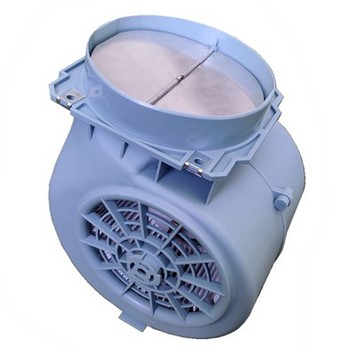
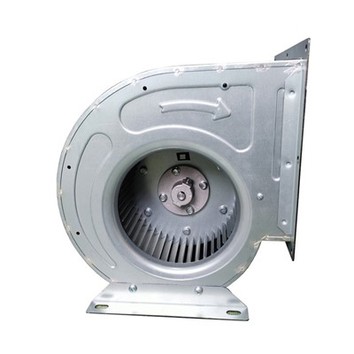


What is Range Hood Motor
A range hood motor, also known as a blower, is what keeps the range hood running. It sucks fumes and cooking exhaust from over your cooktop through ductwork and outside your home. Most range hoods or vent hoods are powered by a single motor, but some have two or more. The fan motor spins the fan blade to draw air through the range hood vent. If the fan motor wears out, the motor won't turn the blade to circulate air.
Different Types Of Range Hood Motor
Standard Exhaust Fan Motor
Most small exhaust fans use this standard motor, that is, the single phase motor. These motors work on AC principle, and in every cycle, they attain an alternating maximum and minimum power. They are durable and sturdy.
Split-Phase Motor
The split-phase motor is used in large industrial exhaust fans. These motors have both start and run windings that get energized when started. They can run well on medium current input. Owing to their utilization in large and bulky industrial equipment, these motors go through a significant amount of mechanical stress.
Capacitor-Start Motors
As the name suggests, capacitor-start motors have a built-in capacitor with series windings. They generate twice the torque as compared to other motors, with much less current input. Thus, they are not only powerful but also energy efficient. Because of their high power generating capacity, they are used in large industrial ventilation machinery.
Benefits of Range Hood Motor

Remove Odors
Whether you want to learn about the use of an exhaust fan in the kitchen or the bathroom, one of its primary tasks is to control odor. If there is an unpleasant odor in the bathroom, the smell can be drawn out with an exhaust blade. A sound ventilation system can help you keep the bathroom well-maintained and also offer a cleaner atmosphere for whoever uses it next.

Reducing Humidity
Humidity reduction is another important aspect of a bathroom to be functioning well. Extreme humidity means the bathroom walls can have peeled paint and get damaged. One of the best advantages of an exhaust fan is to allow for lesser humidity. It can also cause the mold to end up accumulating, and it can be harder to get rid of.

Reducing Airborne Contaminants
Generally, aggressive chemicals are used to clean spaces, and these chemicals can cause health issues when inhaled. It can become a significant concern, especially for children and the elderly. If the bathroom is already facing a sort of mold problem, blades can also remove any spore build-up in the air. It also helps in slowing down the growth rate of the mold.

Eliminate Foggy Mirrors
The best range hood motor for the kitchen can help remove any vapor on the walls and mirrors. These can also be selected basis the overall performance and style and can make use of an exhaust fan in the bedroom.
Applications of Range Hood Motor
Clean Air Handling
Whether they are located within industrial system components or are functioning to move large amounts of air, exhaust fans can improve air quality within the facility and equipment.
Light Dust Loading
Exhaust fans are able to systematically move and collect dust, preventing particles from building up in equipment or throughout the facility.
Material Handling
Various particles can often accumulate in industrial environments. Exhaust fans can process larger particles such as sawdust, paper trim, wood chips, grain, plastic pellets, and more.
Saturated Air Fans
When there is a high level of moisture or humidity in the air, it is known as saturated air. Centrifugal exhaust fans often serve to process this air, preventing an excess of moisture that could otherwise lead to corrosion or mold.
High Temperature
Certain industrial applications, such as heat treating, create very high temperatures which require specialized equipment. Exhaust fans can safely circulate heated air in this type of harsh environment.
How To Clean Range Hood Motor




Disconnect the Power
The first and most crucial step in cleaning your range hood motor is to ensure that the power supply is disconnected. This is essential for your safety and to prevent any electrical accidents. Here’s how you can do it:
Locate the power switch or circuit breaker for your range hood and turn it off. This will cut off the electricity supply to the motor.
It’s always a good idea to double-check if the power is truly disconnected. You can use a voltage tester to ensure that there is no electrical current flowing to the motor.
For added precaution, you can also unplug the range hood from the power source if it has a detachable cord.
Once you have confirmed that the power is completely disconnected, you can proceed to the next step of removing the fan cover.
Remove the Fan Cover
After disconnecting the power, the next step is to remove the fan cover. This will allow you access to the fan blades and the motor. Follow these steps:
Depending on the type of range hood you have, the fan cover might be held in place with screws or clips. Look for these fasteners and remove them using a screwdriver or by releasing the clips.
Gently pull or slide the fan cover out of its housing. Be careful not to force it or damage any surrounding components.
Set the fan cover aside and inspect it for any accumulated grease or dirt. If necessary, you can clean the fan cover separately using a mild dish soap and warm water.
With the fan cover removed, you now have a clear view of the fan blades and the motor. The next step is to clean these components thoroughly to ensure optimal performance.
Clean the Fan Blades
Once you have removed the fan cover, it’s time to clean the fan blades. Over time, these blades can accumulate grease and dirt, which can hinder their performance and airflow. Here’s how you can clean them:
Start by preparing a cleaning solution. You can mix a mild dish soap with warm water in a bucket or basin.
Dip a soft cloth or sponge into the cleaning solution and wring out any excess liquid.
Gently wipe each fan blade, removing any grease or dirt. Take care not to apply too much pressure or bend the blades.
If the fan blades have stubborn grease buildup, you can use a non-abrasive brush or toothbrush to scrub them gently.
Once you have cleaned the fan blades, rinse the cloth or sponge in clean water and wipe down the blades again to remove any remaining soap residue.
After cleaning the fan blades, inspect them for any damage or signs of wear. If you notice any cracks or warped blades, it may be necessary to replace them. Otherwise, proceed to the next step of removing and cleaning the motor.
Remove and Clean the Motor
With the fan blades cleaned, the next step is to remove and clean the motor itself. The motor is located behind the fan blades and is responsible for powering the ventilation system. Follow these steps to remove and clean the motor:
Start by disconnecting any electrical connections or wires that are connected to the motor. Take note of the connections or take pictures beforehand to ensure proper reconnection later.
Next, locate the screws or fasteners that secure the motor in place. Use a screwdriver to remove these screws and carefully detach the motor from the hood.
Once the motor is removed, inspect it for any visible dirt or debris. You can use a soft brush or compressed air to remove any loose particles.
For a more thorough cleaning, you can dampen a cloth or sponge with a mild cleaning solution and gently wipe down the motor. Be careful not to get the motor excessively wet or damage any electrical components.
Take note of any specific cleaning instructions provided by the manufacturer, as some motors may require specialized care.
After cleaning the motor, allow it to dry completely before reassembling the range hood.
Reassemble the Hood
After cleaning the motor, it’s time to reassemble the range hood. Follow these steps to ensure proper reassembly:
Begin by carefully placing the cleaned motor back into its original position in the hood. Make sure it aligns correctly with the mounting holes.
Secure the motor in place by tightening the screws or fasteners that were removed earlier. Ensure that the motor is firmly attached and stable.
Reconnect any electrical connections or wires to the motor, following the notes or pictures taken during the disassembly process.
Double-check all connections to ensure that everything is properly aligned and secured.
Retrieve the fan cover that was set aside earlier and insert it back into its housing. Use the screws or clips to secure it in place.
With the hood reassembled, you are one step away from completing the cleaning process.
Test the Motor
Once you have reassembled the range hood, it’s important to test the motor to ensure that it is functioning properly. Follow these steps to test the motor:
Ensure that the power supply to the range hood is restored. Turn on the power switch or flip the circuit breaker back to the “on” position.
Switch on the range hood and observe the motor’s performance. Pay attention to any unusual sounds, vibrations, or irregularities in its operation.
Check that the fan blades are spinning smoothly and that there is proper air circulation. If you notice any issues, such as a noisy motor or poor airflow, it may indicate that further maintenance or repairs are needed.
If the motor is running smoothly, allow it to operate for a few minutes to ensure its stability.
Finally, check for any signs of overheating or electrical malfunctions. Carefully feel the motor to ensure that it is not excessively hot and inspect the wiring connections for any signs of damage or loose connections.
Our Honor
CE, CCC, CQC, ISO9001, RoHs

Factory Video
Common Problem of Range Hood Motor
Q: What is a range hood used for?
Q: Do range hoods come with motor?
Q: Which is better AC or DC motor range hood?
Q: What is CFM in range hood?
Q: Is DC motor cheaper than AC motor?
Q: What is the function of exhaust fan?
Q: What makes a good exhaust fan?
Q: On what principle does an exhaust fan work?
Q: What are the benefits of exhaust fans in the bathroom?
Q: What is CFM in exhaust fan?
Q: Which motor is most commonly used in exhaust fan?
Q: What type of energy is exhaust fan?
Q: Are exhaust fans required in bathrooms?
Q: What happens if CFM is too high?
Q: Can you change the speed of an exhaust fan?
Q: What is another name for the exhaust fan?
Q: Which is better BLDC or DC motor?
Q: What does 1000 CFM mean?
Q: How to clean an extractor fan?
Remove the outer cover and wash it in a warm solution of washing-up liquid. If your fan has a hood that you can’t remove, wash it carefully with a washing-up liquid solution.
Rinse and dry thoroughly with kitchen towel.
Wipe fan blades with a damp cloth wrung out in a solution of washing-up liquid. It’s important to avoid getting them too wet and to make sure they are dry before replacing.
If your fan has filters, wash them with washing-up liquid-ensure they’re dry before replacing. Sponge filters will need replacing after a few washes.
Q: What are benefits of BLDC motors?
Being safer: BLDC motors contain multiple protections, including over-load, over-voltage and clogging, to reduce risks of over-heat and sparks that usually happen when operating, providing homeowners with safer environment. However, traditional AC motors are generally without sufficient safety mechanism, so they would be more dangerous for household daily use.
Being more efficient: A BLDC motor consumes at least 50% less energy than an AC motor under the same air volume. When it comes to electricity fee, a traditional AC motor with only 20-30% transmission rate costs nearly 5 times more than a BLDC motor with 85% of energy efficiency, based on our research from the household electricity usage.
Shengzhou City Huahao Motor Manufacturing Co., Ltd. is one of the most professional range hood motor manufacturers and suppliers in China, specialized in providing the best custom service. We warmly welcome you to wholesale cheap range hood motor from our factory.
commercial hood motor, dual motor range hood, vent hood fan motor