

As a supplier of upblast exhaust fans, I often encounter questions from customers regarding various aspects of these products. One question that comes up quite frequently is, "Do upblast exhaust fans need to be grounded?" In this blog post, I'll delve into this topic, providing scientific explanations and practical insights to help you understand the importance of grounding upblast exhaust fans.
Understanding Upblast Exhaust Fans
Upblast exhaust fans are designed to expel air vertically upwards from a building or an enclosed space. They are commonly used in commercial kitchens, industrial facilities, and other areas where there is a need to remove heat, moisture, odors, and contaminants. These fans work by drawing in air from the surrounding environment and then forcing it out through the top of the fan housing.
Upblast exhaust fans come in different sizes, capacities, and configurations to suit various applications. Some are equipped with motors that operate on single-phase or three-phase power, while others may use direct current (DC) power sources. The choice of fan depends on factors such as the size of the space, the volume of air to be exhausted, and the specific requirements of the application.
The Importance of Grounding
Grounding is a safety measure that involves connecting an electrical device to the earth through a conductive path. The primary purpose of grounding is to protect people and property from electrical hazards, such as electric shock and fires. When an electrical system is properly grounded, any electrical faults or short circuits are redirected safely to the earth, preventing the buildup of dangerous voltages on the equipment.
In the case of upblast exhaust fans, grounding is crucial for several reasons. First and foremost, it helps to prevent electric shock. If a fan's electrical components become damaged or malfunction, there is a risk of electrical current leaking onto the fan's metal housing. Without proper grounding, anyone who comes into contact with the fan could receive a severe electric shock. By grounding the fan, the electrical current is safely diverted to the earth, reducing the risk of injury.
Secondly, grounding helps to protect the fan from damage caused by electrical surges and lightning strikes. Electrical surges can occur due to various reasons, such as power grid fluctuations, lightning strikes, or the operation of other electrical equipment. These surges can cause excessive voltage to flow through the fan's electrical system, potentially damaging the motor, control circuits, and other components. Grounding provides a path for the excess electrical energy to dissipate safely, protecting the fan from damage.
Finally, grounding is often required by electrical codes and regulations. In many countries and regions, electrical installations must comply with specific safety standards to ensure the protection of people and property. These standards typically require that all electrical equipment, including upblast exhaust fans, be properly grounded. Failure to comply with these regulations can result in fines, penalties, and even legal liability in the event of an electrical accident.
How Upblast Exhaust Fans are Grounded
Grounding an upblast exhaust fan typically involves connecting the fan's metal housing to a grounding conductor, which is then connected to the earth. The grounding conductor is usually a copper wire or a metal rod that is buried in the ground. The connection between the fan housing and the grounding conductor is made using a grounding lug or a grounding screw.
In some cases, the fan may be equipped with a built-in grounding terminal, which simplifies the grounding process. The grounding terminal is usually located on the fan's motor or control panel and is marked with the symbol for grounding. To ground the fan, simply connect a grounding wire to the terminal and then connect the other end of the wire to the grounding conductor.
It's important to note that the grounding conductor must be of the appropriate size and type to ensure effective grounding. The size of the conductor depends on the electrical load of the fan and the length of the grounding path. In general, larger fans with higher electrical loads require larger grounding conductors. Additionally, the grounding conductor must be made of a material that is resistant to corrosion and has good electrical conductivity, such as copper or aluminum.
Exceptions and Special Considerations
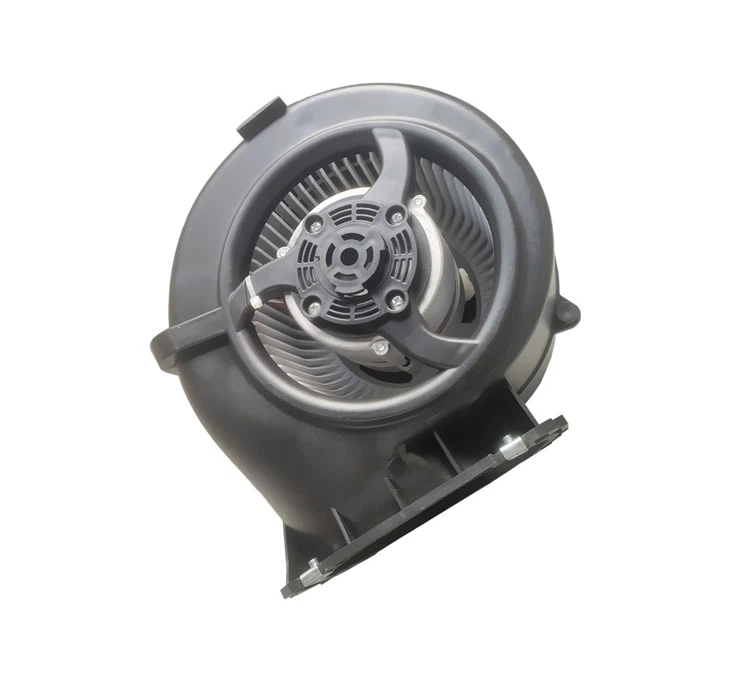
While grounding is generally recommended for all upblast exhaust fans, there may be some exceptions or special considerations depending on the specific application and the electrical system. For example, in some low-voltage applications, such as those using 24v DC Centrifugal Fan, the risk of electric shock may be lower, and grounding may not be strictly necessary. However, it's still a good practice to ground the fan to provide an additional layer of protection.

Another special consideration is the use of upblast exhaust fans in hazardous environments, such as those containing flammable gases or vapors. In these environments, the fan must be designed and installed to meet specific safety requirements to prevent the ignition of the flammable substances. Grounding is an important part of these safety measures, as it helps to prevent the buildup of static electricity, which can potentially ignite the flammable gases or vapors.
Conclusion
In conclusion, grounding is an essential safety measure for upblast exhaust fans. It helps to prevent electric shock, protect the fan from damage, and comply with electrical codes and regulations. As a supplier of upblast exhaust fans, I strongly recommend that all fans be properly grounded to ensure the safety of people and property.
If you have any questions or concerns about grounding upblast exhaust fans or any other aspect of our products, please don't hesitate to contact us. We have a team of experienced professionals who can provide you with the information and support you need to make the right decisions for your application. Whether you're looking for a High Pressure Centrifugal Blower, a 24v DC Centrifugal Fan, or a Plastic Chimney Blower, we have the expertise and the products to meet your needs. Contact us today to discuss your requirements and explore our range of upblast exhaust fans.
References
- National Electrical Code (NEC)
- Occupational Safety and Health Administration (OSHA) regulations
- Manufacturer's installation and operation manuals for upblast exhaust fans