

Hey there! As a supplier of Exhaust Hood Motors, I often get asked about how to check the voltage of these motors. It's a crucial step in ensuring that your exhaust hood is working efficiently and safely. In this blog, I'll walk you through the process step by step.
First off, why is it important to check the voltage of your exhaust hood motor? Well, if the voltage is too high or too low, it can cause all sorts of problems. A motor running on too high a voltage can overheat, which not only shortens its lifespan but can also pose a fire hazard. On the other hand, a motor getting too low a voltage might not run at its optimal speed, leading to poor ventilation in your kitchen.
Before we start, gather the necessary tools. You'll need a multimeter, which is a handy tool that can measure voltage, current, and resistance. You can pick one up at your local hardware store or order it online. Make sure to get a digital multimeter as they're generally more accurate and easier to read than analog ones.
Step 1: Safety First
Safety should always be your top priority when working with electrical components. Before you do anything, turn off the power to your exhaust hood at the circuit breaker. This will prevent any risk of electric shock. You can also use a voltage tester to double - check that there's no power flowing to the motor. It's better to be safe than sorry!

Step 2: Locate the Motor
Next, you need to find the exhaust hood motor. In most range hoods, the motor is located inside the hood itself, usually at the back or the sides. You might need to remove some panels to access it. Be careful when removing the panels, as some might be held in place with screws or clips. Keep track of all the screws and parts you remove so you can put everything back together correctly later.
Step 3: Identify the Motor Wires
Once you've accessed the motor, you'll see a bunch of wires connected to it. The wires are usually color - coded, but the exact color coding can vary depending on the manufacturer. In general, you're looking for the power wires that supply electricity to the motor. These are typically the thickest wires.
Step 4: Set Up Your Multimeter
Now it's time to set up your multimeter. Turn the dial on the multimeter to the voltage setting. If you're in the United States, you'll likely be measuring AC (alternating current) voltage, so set the multimeter to the appropriate AC voltage range. Most household electrical systems in the US operate at 120V or 240V, so you can start with a range that includes these values.
Step 5: Measure the Voltage
With the multimeter set up, carefully touch the probes to the power wires of the motor. Make sure the probes make good contact with the wires. The red probe should touch the hot wire (usually black or red), and the black probe should touch the neutral wire (usually white). Once the probes are in place, you'll see a reading on the multimeter display. This reading is the voltage that's being supplied to the motor.
Step 6: Compare the Reading
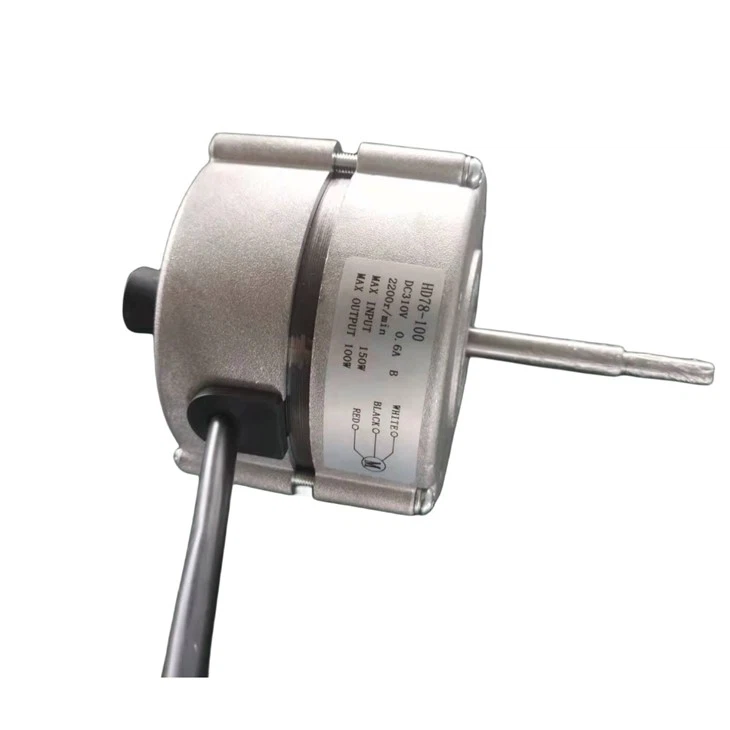
Compare the reading on the multimeter with the motor's rated voltage. You can usually find the rated voltage on a label attached to the motor. If the measured voltage is within 5% of the rated voltage, then the motor is getting the right amount of power. If the voltage is significantly higher or lower, there might be an issue with your electrical supply or the wiring in your exhaust hood.
Troubleshooting
If you find that the voltage is off, here are some things you can do. First, check the circuit breaker to make sure it's not tripped. If the breaker is fine, then there could be a problem with the wiring. Look for any signs of damage, such as frayed wires or loose connections. If you're not comfortable working with electrical wiring, it's best to call a professional electrician.
As an Exhaust Hood Motor supplier, I offer a wide range of high - quality motors. We have Range Hood Fan Motor, Kitchen Hood Fan Motor, and Chimney Blower Motor to meet your different needs. Our motors are designed to be energy - efficient, quiet, and long - lasting.
If you're in the market for a new exhaust hood motor or if you have any questions about checking the voltage of your existing motor, don't hesitate to reach out. We're here to help you make the right choice and ensure that your kitchen ventilation system works perfectly. Contact us for more information and to start a procurement discussion.
References
- Electrical Safety Handbook, various editions
- Home Appliance Repair Manuals, multiple publishers