

When it comes to inline axial fans, one of the most critical factors that significantly impacts their performance is the material of the fan blades. As a reliable inline axial fan supplier, we've gained extensive insights into how different blade materials can shape the efficiency, durability, and overall functionality of these fans.
Aerodynamic Performance
The material of fan blades plays a crucial role in determining the aerodynamic efficiency of an inline axial fan. Aerodynamics is all about how air flows around the blades, and the right material can enhance this flow, leading to better performance.
Aluminum Blades
Aluminum is a popular choice for fan blades due to its excellent strength - to - weight ratio. The lightweight nature of aluminum allows the blades to rotate with less inertia. This means the fan can reach its operating speed more quickly and consume less energy during the startup phase. Additionally, aluminum can be precisely machined into aerodynamically optimized shapes. Its smooth surface finish helps in reducing air turbulence as the blades cut through the air. For instance, well - designed aluminum blades can follow an airfoil shape, which is engineered to generate lift and move air efficiently. This results in higher airflow rates and better pressure generation in the inline axial fan, making it suitable for applications where large volumes of air need to be moved, such as in industrial ventilation systems.
Plastic Blades
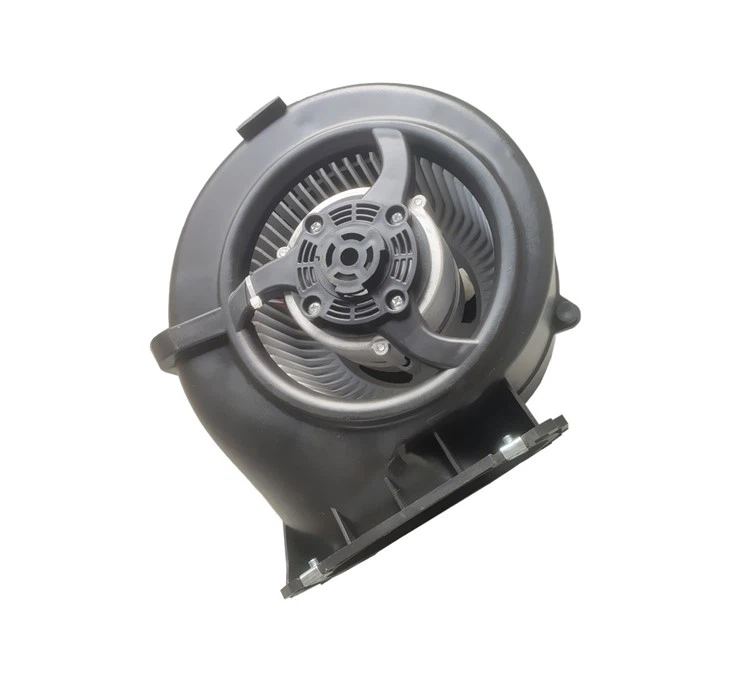
Plastic blades are another common option. They offer unique aerodynamic advantages in certain scenarios. Plastic can be molded into complex shapes with relative ease. This allows for the creation of fan blades with detailed geometries that are designed to optimize air movement. For example, some plastic blades are engineered with variable pitch along the length of the blade. This variable pitch can adjust the angle at which the blade hits the air, enhancing the fan's ability to move air at different operating conditions. Plastic blades are also relatively quiet in operation compared to some metal blades. The lower density of plastic reduces the noise generated by the vibration of the blades, which can be a significant advantage in applications where noise is a concern, like in indoor ventilation systems for offices or residential buildings. You can find a wide range of plastic blades in products like Plastic Kitchen Chimney Centrifugal Blowers.
Durability and Longevity
The durability of fan blades is essential for ensuring the long - term performance of an inline axial fan. The choice of blade material can greatly affect how well the blades withstand the rigors of continuous operation.
Steel Blades
Steel blades are known for their exceptional strength and durability. They can withstand high - stress environments, including high - speed rotation and exposure to harsh chemicals or abrasive particles. In industrial settings where the fan is used to move air that may contain dust, debris, or corrosive substances, steel blades are often the preferred choice. For example, in a mining or manufacturing plant, the air being circulated may carry small metal filings or abrasive dust. Steel blades can resist wear and tear from these particles better than other materials. However, steel is heavier than aluminum and plastic, which means more energy is required to rotate the blades. This can lead to higher operating costs over the long term.
Carbon Fiber Blades
Carbon fiber is a high - performance material that offers both strength and light weight. Carbon fiber blades have a very high strength - to - weight ratio, making them ideal for high - performance inline axial fans. They can endure high rotational speeds without deforming, which ensures consistent performance over time. Moreover, carbon fiber is corrosion - resistant, which makes it suitable for applications in humid or corrosive environments. Although carbon fiber blades are more expensive than other materials, their long - term durability and performance can justify the higher upfront cost, especially in critical applications where reliability is of utmost importance.
Noise Generation
Noise is an important consideration in many applications of inline axial fans. The material of the fan blades can influence the amount of noise produced during operation.
Metal Blades
Metal blades, such as those made of aluminum or steel, can generate more noise compared to some other materials. The vibration of metal blades as they rotate can cause audible noise. However, the design and surface finish of metal blades can be optimized to reduce noise. For example, using precision - machined blades with smooth surfaces can minimize the generation of aerodynamic noise. Additionally, proper balancing of metal blades is crucial to reduce vibration - related noise. In applications where noise levels need to be carefully controlled, additional noise - reducing measures may need to be taken when using metal - bladed fans.
Composite Blades
Composite materials, which combine different substances to achieve specific properties, can be an excellent choice for reducing noise. A well - designed composite blade can absorb and dampen vibrations, resulting in quieter operation. The unique structure of composite materials allows them to dissipate energy that would otherwise be converted into noise. This makes composite - bladed inline axial fans suitable for noise - sensitive environments such as hospitals, laboratories, or audio recording studios.

Chemical Resistance
In some applications, the fan blades need to resist the effects of chemicals in the air being circulated. The choice of blade material is critical in ensuring the fan's longevity in such environments.
Plastic Blades
Plastic is highly resistant to many chemicals. Different types of plastics offer varying degrees of chemical resistance. For example, polypropylene is resistant to a wide range of acids and alkalis, making it suitable for applications in chemical processing plants or wastewater treatment facilities. Plastic blades can also be coated with additional protective layers to enhance their chemical resistance. The use of plastic blades in these environments can prevent corrosion and degradation, ensuring the long - term performance of the inline axial fan.
Stainless Steel Blades
Stainless steel is another material with good chemical resistance. It can withstand exposure to many corrosive substances, including some acids and salts. Stainless steel blades are often used in marine applications or in industrial settings where the air contains mild corrosive agents. The chromium content in stainless steel forms a protective oxide layer on the surface, which prevents further corrosion.
Cost - Effectiveness
Cost is always a significant factor in any purchasing decision. Different blade materials have different cost implications, both in terms of the initial purchase price and long - term operating costs.
Plastic Blades
Plastic blades are generally the most cost - effective option. They are relatively inexpensive to manufacture due to the ease of molding and the lower cost of raw materials. Plastic is also lightweight, which can lead to lower energy consumption during operation. In applications where high performance is not the primary requirement, such as in small - scale ventilation systems or consumer electronics cooling fans, plastic blades offer a good balance between cost and functionality. You can explore plastic blades in products like 24v DC Centrifugal Fan.
High - Performance Materials
Materials like carbon fiber and some specialized alloys are more expensive. Their high initial cost is due to the complex manufacturing processes involved and the cost of raw materials. However, in applications where high performance, durability, and reliability are crucial, the long - term benefits of using these materials can outweigh the initial investment. For example, in aerospace or high - end industrial applications, the use of carbon fiber blades can result in lower maintenance costs and longer service intervals.
As an inline axial fan supplier, we understand that choosing the right fan blade material is a complex decision that depends on various factors such as the application requirements, budget constraints, and performance expectations. Our team of experts is always ready to assist you in selecting the most suitable inline axial fan with the optimal blade material for your specific needs. Whether you need a fan for a small - scale ventilation project or a large - scale industrial application, we can provide you with high - quality products. If you're interested in exploring our range of inline axial fans further and initiating a purchase or have any questions about how different blade materials can impact performance for your situation, we encourage you to reach out to our sales team for detailed information and to start a procurement discussion. Our experienced professionals will guide you through the selection process, ensuring that you get the best value for your investment. You can also explore related products like Range Hood Vent Motor Assembly to find more comprehensive ventilation solutions.
References
- Incropera, F. P., DeWitt, D. P., Bergman, T. L., & Lavine, A. S. (2019). Fundamentals of Heat and Mass Transfer. Wiley.
- Munson, B. R., Young, D. F., & Okiishi, T. H. (2017). Fundamentals of Fluid Mechanics. Wiley.
- Rogers, C. A., & Mayhew, Y. R. (2014). Thermodynamics and the Mechanics of Matter. Wiley.