

When it comes to selecting the right range hood fan motor, there are numerous factors to consider. As a supplier of Range Hood Fan Motors, I have witnessed firsthand the importance of making an informed decision. In this blog post, I will guide you through the key aspects to keep in mind when choosing a motor for your range hood, ensuring that you get the best performance and value for your investment.
Understanding the Basics of Range Hood Fan Motors
Before delving into the selection process, it's essential to understand the basic functions and types of range hood fan motors. A range hood fan motor is responsible for powering the fan that extracts smoke, odors, and grease from your kitchen. There are two main types of motors commonly used in range hoods: single - speed and multi - speed motors.
Single - speed motors operate at a fixed speed, providing a consistent level of suction. They are simple and cost - effective, making them a popular choice for basic range hoods. On the other hand, multi - speed motors offer variable speeds, allowing you to adjust the suction power according to your cooking needs. For example, when you're stir - frying and generating a large amount of smoke, you can set the motor to a high speed. When simmering, a lower speed will suffice.
Power and Suction Capacity
One of the most critical factors in choosing a range hood fan motor is its power and suction capacity. The power of a motor is typically measured in watts, and the suction capacity is measured in cubic feet per minute (CFM). The higher the CFM rating, the more air the motor can move, which means better smoke and odor removal.
To determine the appropriate CFM for your range hood, you need to consider the size of your kitchen and the type of cooking you do. As a general rule of thumb, for a small kitchen with light cooking, a motor with a CFM rating of 300 - 400 may be sufficient. However, if you have a large kitchen or do a lot of high - heat cooking, such as deep - frying or grilling, you'll need a motor with a CFM rating of 600 or higher. For instance, a professional chef's kitchen might require a motor with a CFM rating of 1200 or more to handle the intense cooking activities.
When considering power, it's important to note that a more powerful motor doesn't always mean better performance. A motor that is too powerful for your range hood can create excessive noise and may even draw more energy than necessary. Therefore, it's crucial to find a balance between power and suction capacity based on your specific needs. You can find a variety of motors with different power and suction capacities on our website, including Motor For Kitchen Exhaust Fan.
Noise Level
Noise is another important consideration when choosing a range hood fan motor. A noisy motor can be a significant annoyance, especially if your kitchen is open - concept or if you spend a lot of time cooking. The noise level of a motor is measured in sones, with lower sone ratings indicating quieter operation.
Most modern range hood fan motors are designed to operate quietly, but the noise level can still vary depending on the motor's design and quality. When shopping for a motor, look for models with a sone rating of 1.0 or lower for a whisper - quiet operation. Some high - end motors use advanced technology, such as insulated enclosures and aerodynamic fan blades, to reduce noise.
It's also important to note that the installation of the motor can affect the noise level. A properly installed motor with secure mounting and proper ventilation will generally operate more quietly than one that is poorly installed. If you're unsure about the noise level of a particular motor, you can always ask for customer reviews or product specifications. You can explore our Range Hood Vent Motor options, which are designed to offer a balance between performance and quiet operation.
Energy Efficiency
In today's environmentally conscious world, energy efficiency is a top priority for many consumers. An energy - efficient range hood fan motor can help you save on your electricity bills while reducing your carbon footprint.
Energy - efficient motors are designed to use less power while still providing adequate suction. They often feature advanced technologies, such as variable - speed drives and energy - saving modes. When choosing a motor, look for the Energy Star label, which indicates that the motor meets strict energy - efficiency guidelines set by the U.S. Environmental Protection Agency.
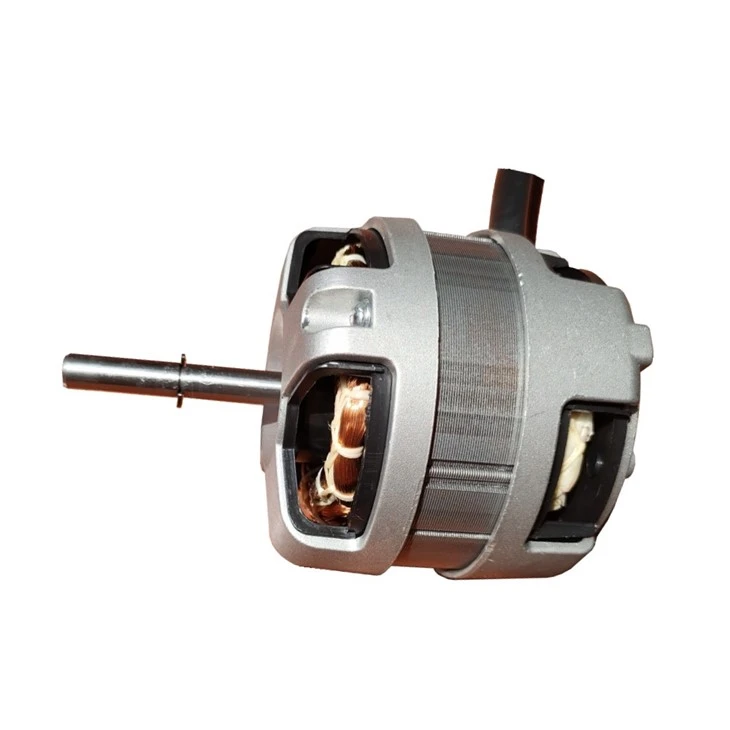

In addition to the Energy Star label, you can also compare the energy consumption of different motors by looking at their wattage and CFM ratings. A motor with a higher CFM rating and lower wattage is generally more energy - efficient. By choosing an energy - efficient motor, you not only save money in the long run but also contribute to a more sustainable environment. Our Stove Hood Motor selection includes energy - efficient options that can help you achieve these goals.
Durability and Maintenance
The durability of a range hood fan motor is crucial, as you want it to last for many years without frequent breakdowns. When choosing a motor, consider the quality of its components and construction. Look for motors made from high - quality materials, such as stainless steel or aluminum, which are resistant to corrosion and wear.
The motor's bearings are also an important factor in its durability. High - quality bearings can reduce friction and ensure smooth operation, which extends the motor's lifespan. Additionally, some motors come with a sealed design, which protects the internal components from dust and grease, further increasing their durability.
Maintenance is another aspect to consider. A motor that is easy to clean and maintain will save you time and effort in the long run. Look for motors with removable fan blades and accessible components, which make it easier to clean and replace parts if necessary. Regular maintenance, such as cleaning the fan blades and lubricating the bearings, can also help prolong the motor's life.
Compatibility with Your Range Hood
Finally, it's essential to ensure that the motor you choose is compatible with your range hood. Different range hoods have different specifications and requirements, so you need to make sure that the motor fits properly and works well with your existing setup.
Before purchasing a motor, check the dimensions and mounting requirements of your range hood. Make sure that the motor's size and shape are compatible with the available space in your range hood. You also need to consider the electrical requirements, such as voltage and wiring. If you're unsure about the compatibility, it's always a good idea to consult a professional or contact the manufacturer of your range hood.
Conclusion
Choosing the right range hood fan motor is a crucial decision that can significantly impact the performance and functionality of your range hood. By considering factors such as power and suction capacity, noise level, energy efficiency, durability, and compatibility, you can make an informed choice that meets your specific needs.
As a supplier of Range Hood Fan Motors, we offer a wide range of high - quality motors that are designed to provide excellent performance and reliability. If you have any questions or need assistance in choosing the right motor for your range hood, please feel free to contact us. We are here to help you make the best decision for your kitchen.
References
- "Range Hood Buying Guide." Consumer Reports.
- "Energy Efficiency in Kitchen Appliances." U.S. Environmental Protection Agency.
- "How to Choose a Range Hood Fan Motor." Home Improvement Magazine.