

When it comes to centrifugal blowers, the impeller is a critical component that significantly impacts the blower's performance, efficiency, and durability. As a centrifugal blower supplier, we understand the importance of choosing the right impeller material for different applications. In this blog post, we will explore the various impeller materials used in centrifugal blowers, their properties, advantages, and suitable applications.
1. Aluminum
Aluminum is one of the most commonly used materials for centrifugal blower impellers. It offers several advantages that make it a popular choice in many industries.
Properties
- Lightweight: Aluminum has a low density, which means that impellers made from this material are relatively light. This reduces the load on the motor, resulting in lower energy consumption and less wear and tear on the blower's components.
- Good Corrosion Resistance: Aluminum forms a thin oxide layer on its surface, which protects it from corrosion. This makes it suitable for use in environments where the blower may be exposed to moisture or mild chemicals.
- High Thermal Conductivity: Aluminum can dissipate heat quickly, which helps to prevent the impeller from overheating during operation. This is particularly important in applications where the blower is running continuously or at high speeds.
Advantages
- Cost - Effective: Aluminum is relatively inexpensive compared to some other materials, making it a cost - effective option for many applications.
- Easy to Machine: It can be easily machined into complex shapes, allowing for the production of impellers with optimized aerodynamic designs.
Suitable Applications
- HVAC Systems: Aluminum impellers are commonly used in heating, ventilation, and air - conditioning systems. Their lightweight nature and good corrosion resistance make them ideal for circulating air in buildings.
- General Industrial Ventilation: In industrial settings where the air being handled is relatively clean and free of corrosive substances, aluminum impellers can provide reliable performance at a reasonable cost.
2. Steel
Steel is another widely used material for centrifugal blower impellers, especially in applications where strength and durability are crucial.
Properties
- High Strength: Steel has excellent mechanical strength, which allows it to withstand high rotational speeds and heavy loads without deforming. This makes it suitable for use in high - pressure and high - flow applications.
- Good Wear Resistance: Steel impellers can resist wear and abrasion caused by the presence of solid particles in the air stream. This is important in industries such as mining, cement production, and power generation.
Advantages
- Long Service Life: Due to its strength and wear resistance, steel impellers generally have a longer service life compared to impellers made from other materials. This reduces the need for frequent replacements, resulting in lower maintenance costs.
- Versatility: Steel can be heat - treated to achieve different levels of hardness and toughness, making it suitable for a wide range of applications.
Suitable Applications
- Industrial Process Air Handling: In industries where the air contains abrasive particles or where high - pressure air is required for processes such as pneumatic conveying, steel impellers are often the preferred choice.
- Power Generation: Steel impellers are used in power plants for applications such as boiler forced draft and induced draft fans, where they need to handle large volumes of hot and dirty air.
3. Stainless Steel
Stainless steel combines the strength of steel with excellent corrosion resistance, making it a popular choice for centrifugal blower impellers in harsh environments.
Properties
- Corrosion Resistance: Stainless steel contains chromium, which forms a passive oxide layer on the surface of the material, protecting it from corrosion. This makes it suitable for use in environments where the blower is exposed to corrosive chemicals, saltwater, or high - humidity conditions.
- Hygienic: Stainless steel is easy to clean and does not support the growth of bacteria or other microorganisms. This makes it suitable for applications in the food and beverage, pharmaceutical, and medical industries.
Advantages
- Aesthetic Appeal: Stainless steel has a smooth and shiny surface, which gives the blower an attractive appearance. This can be important in applications where the blower is visible, such as in commercial buildings or cleanrooms.
- Long - Term Durability: The combination of strength and corrosion resistance ensures that stainless steel impellers have a long service life, even in harsh environments.
Suitable Applications
- Chemical Processing: In chemical plants, where the air being handled may contain corrosive gases or liquids, stainless steel impellers are essential to prevent corrosion and ensure reliable operation.
- Food and Beverage Industry: Stainless steel impellers are used in food processing facilities for applications such as air circulation in ovens, cooling of products, and ventilation in cleanrooms.
4. Plastic
Plastic is a lightweight and cost - effective material that is increasingly being used for centrifugal blower impellers, especially in low - cost and low - pressure applications.
Properties
- Lightweight: Plastic impellers are extremely light, which reduces the load on the motor and can result in significant energy savings.
- Chemical Resistance: Some plastics offer good resistance to a wide range of chemicals, making them suitable for use in applications where the blower is exposed to corrosive substances.
- Low Noise: Plastic impellers tend to produce less noise during operation compared to impellers made from metal materials. This is due to their lower density and damping properties.
Advantages
- Cost - Efficiency: Plastic is generally less expensive than metal materials, making it a cost - effective option for mass - produced blowers.
- Design Flexibility: Plastic can be easily molded into complex shapes, allowing for the production of impellers with unique designs that can optimize airflow and performance.
Suitable Applications
- Consumer Electronics: Plastic impellers are commonly used in electronic devices such as computers, servers, and televisions for cooling purposes. Their lightweight and low - noise characteristics make them ideal for these applications.
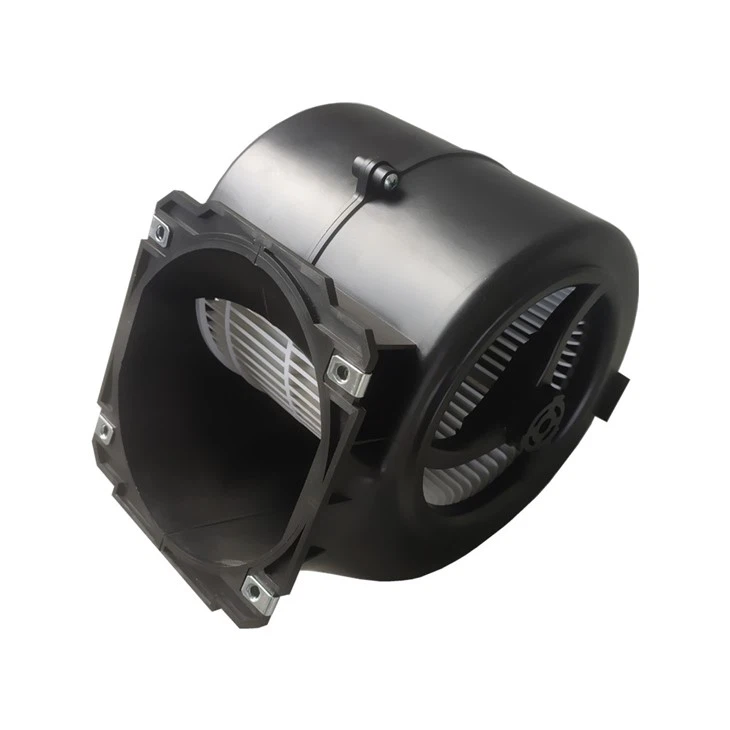
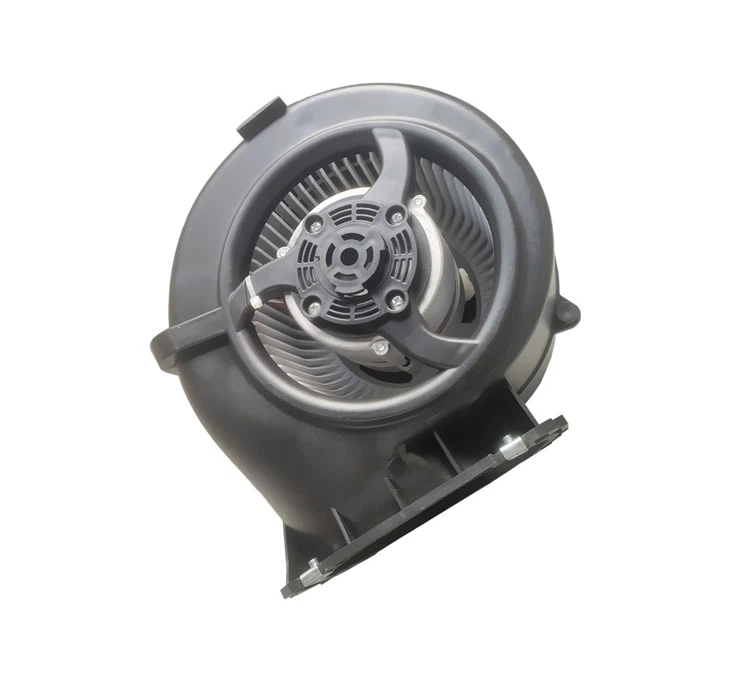
- Small - Scale Ventilation: In applications such as Cooker Hood Blower or small - scale room ventilation, plastic impellers can provide a cost - effective and reliable solution.
5. Composite Materials
Composite materials are made by combining two or more different materials to achieve specific properties. In the case of centrifugal blower impellers, composite materials can offer a combination of strength, light weight, and corrosion resistance.
Properties
- High Strength - to - Weight Ratio: Composite materials can have a very high strength - to - weight ratio, which means that they can provide the same level of strength as metal materials while being significantly lighter.
- Customizable Properties: By choosing different types of fibers and matrices, the properties of composite materials can be tailored to meet the specific requirements of the application.
Advantages
- Improved Performance: The combination of light weight and high strength can result in improved blower performance, including higher efficiency and lower energy consumption.
- Reduced Vibration: Composite materials can dampen vibrations, which can reduce noise levels and improve the overall reliability of the blower.
Suitable Applications
- Aerospace and Defense: In the aerospace and defense industries, where weight reduction is critical, composite impellers are used in aircraft environmental control systems and other applications.
- High - Performance Industrial Applications: In some high - performance industrial applications, such as advanced manufacturing processes or high - speed ventilation systems, composite impellers can provide the required performance and durability.
Conclusion
As a centrifugal blower supplier, we offer a wide range of impeller materials to meet the diverse needs of our customers. Each material has its own unique properties, advantages, and suitable applications. When choosing an impeller material, it is important to consider factors such as the operating environment, the required performance, the budget, and the expected service life of the blower.
If you are in the market for a centrifugal blower and need help selecting the right impeller material for your application, please do not hesitate to contact us. Our team of experts will be happy to provide you with detailed information and guidance to ensure that you get the best - performing and most cost - effective solution for your needs. Whether you need a Centrifugal Flow Fan for general ventilation or a 24v DC Centrifugal Fan for a specific application, we have the expertise and products to meet your requirements.
References
- ASHRAE Handbook of HVAC Systems and Equipment.
- Perry's Chemical Engineers' Handbook.
- Industrial Ventilation: A Manual of Recommended Practice, American Conference of Governmental Industrial Hygienists.