

Hey there! As a supplier of Milk Blender Motors, I often get asked about the ins and outs of these motors, especially about the magnetic field inside them. So, let's dive right in and explore what the magnetic field in a milk blender motor is all about.
First off, let's understand the basic working principle of a milk blender motor. A motor is essentially a device that converts electrical energy into mechanical energy. In the case of a milk blender, this mechanical energy is used to spin the blades that blend your milk and other ingredients. And at the heart of this energy conversion process lies the magnetic field.
The magnetic field in a milk blender motor is created by two main components: the stator and the rotor. The stator is the stationary part of the motor, and it usually consists of a set of coils. When an electric current passes through these coils, it generates a magnetic field. This magnetic field is what sets the whole motor in motion.

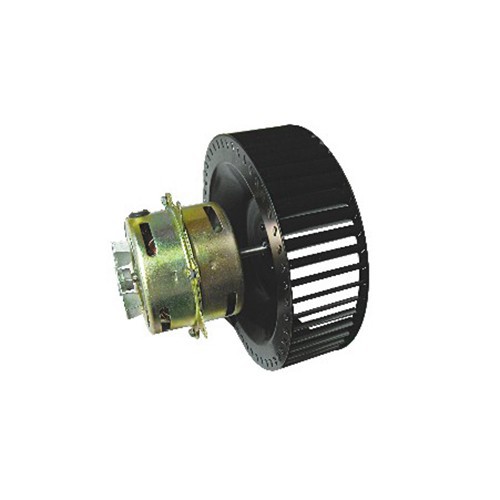
The rotor, on the other hand, is the rotating part of the motor. It's typically made of a ferromagnetic material, like iron, which is strongly attracted to magnetic fields. When the magnetic field from the stator interacts with the rotor, it creates a force that causes the rotor to spin. This spinning motion is then transferred to the blender blades, and voila! You've got a working milk blender.
Now, the strength and direction of the magnetic field in a milk blender motor are crucial for its performance. If the magnetic field is too weak, the motor won't be able to generate enough torque to spin the blades effectively. On the other hand, if the magnetic field is too strong, it can cause the motor to overheat and potentially damage the components.
To control the strength and direction of the magnetic field, milk blender motors often use a technique called electromagnetic induction. This involves changing the current flowing through the stator coils to create a changing magnetic field. According to Faraday's law of electromagnetic induction, a changing magnetic field induces an electromotive force (EMF) in a conductor, which in this case is the rotor. This induced EMF creates a current in the rotor, which in turn creates its own magnetic field. The interaction between the stator's magnetic field and the rotor's magnetic field is what drives the rotation of the motor.
Another important aspect of the magnetic field in a milk blender motor is its frequency. The frequency of the magnetic field determines how fast the motor can spin. In most household milk blenders, the frequency of the magnetic field is set to match the frequency of the electrical power supply, which is typically 50 or 60 Hz. This ensures that the motor runs smoothly and efficiently.
But it's not just about the basic principles. There are also some practical considerations when it comes to the magnetic field in a milk blender motor. For example, the design of the motor can affect the distribution of the magnetic field. A well-designed motor will have a uniform magnetic field distribution, which helps to reduce vibration and noise.
In addition, the materials used in the motor can also have an impact on the magnetic field. High-quality ferromagnetic materials can enhance the strength of the magnetic field, while low-quality materials can lead to a weaker magnetic field and poor motor performance.
As a Milk Blender Motor supplier, we pay close attention to these factors when designing and manufacturing our motors. We use advanced technologies and high-quality materials to ensure that our motors have a strong, stable, and efficient magnetic field. This not only improves the performance of the milk blenders but also extends their lifespan.
Now, if you're in the market for a reliable milk blender motor, you might also be interested in some of our other products. We also offer Milk Stirrer Motor, which are great for gently stirring milk and other liquids. Our Drying Oven Motor are designed to provide consistent and efficient performance in drying applications. And if you need a motor for an exhaust fan, our Exhaust Fan Motors are a great choice.
If you have any questions about our motors or would like to discuss a potential purchase, don't hesitate to get in touch. We're always happy to help and look forward to working with you to find the perfect motor for your needs.
References
- Halliday, D., Resnick, R., & Walker, J. (2014). Fundamentals of Physics. Wiley.
- Serway, R. A., & Jewett, J. W. (2017). Physics for Scientists and Engineers with Modern Physics. Cengage Learning.