

As a leading supplier of exhaust hood motors, I've witnessed firsthand the critical role that every component plays in the overall performance of these essential kitchen appliances. Among these components, the motor housing often goes unnoticed, yet it is a fundamental part that significantly impacts the motor's functionality, durability, and safety. In this blog, I'll delve into the multifaceted role of the motor housing in an exhaust hood motor, shedding light on its importance and how it contributes to the overall efficiency of the exhaust hood.
Protection
One of the primary functions of the motor housing is to protect the internal components of the motor from external elements. In a kitchen environment, exhaust hood motors are exposed to a variety of contaminants, including grease, steam, and dust. These substances can accumulate on the motor's internal parts, leading to increased friction, overheating, and ultimately, premature failure. The motor housing acts as a barrier, preventing these contaminants from reaching the motor's sensitive components and ensuring its long - term reliability.
For example, grease particles in the kitchen air can be particularly damaging to the motor. When grease accumulates on the motor's windings, it can insulate the wires, reducing their ability to dissipate heat. This can cause the motor to overheat, which not only shortens its lifespan but also poses a fire hazard. A well - designed motor housing is sealed to prevent grease from entering, keeping the motor clean and operating safely.
Structural Support
The motor housing provides crucial structural support for the motor's internal components. It holds the motor's stator, rotor, and bearings in place, ensuring that they are properly aligned and can function smoothly. Without proper support, the motor's components could shift during operation, leading to increased vibration, noise, and wear.
In an exhaust hood motor, the housing is designed to withstand the forces generated by the rotating components. The stator, which is the stationary part of the motor, is securely mounted inside the housing. The rotor, which rotates within the stator, is supported by bearings that are also housed within the motor casing. The housing's rigid structure helps to maintain the precise alignment between the stator and the rotor, which is essential for efficient motor operation.
Heat Dissipation
Heat is a natural by - product of motor operation. Excessive heat can damage the motor's insulation, reduce its efficiency, and cause premature failure. The motor housing plays a vital role in dissipating this heat, keeping the motor at a safe operating temperature.
Many motor housings are designed with fins or other heat - dissipating features. These fins increase the surface area of the housing, allowing heat to be transferred more efficiently to the surrounding air. Additionally, some motor housings are made from materials with high thermal conductivity, such as aluminum, which helps to draw heat away from the motor's internal components.

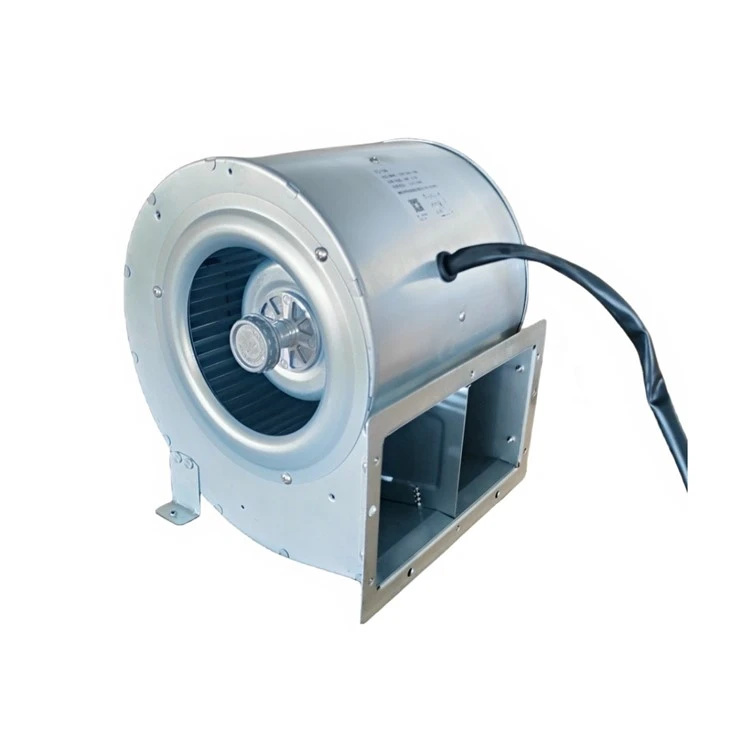
For instance, a Centrifugal Fan Motor in an exhaust hood generates a significant amount of heat during operation. The motor housing is engineered to quickly transfer this heat to the outside environment, preventing the motor from overheating. This ensures that the motor can operate continuously without suffering from heat - related damage.
Noise Reduction
Exhaust hood motors can produce a significant amount of noise during operation, which can be a nuisance in the kitchen. The motor housing can help to reduce this noise by acting as a sound barrier.
The housing is often made from materials that absorb or dampen sound waves. For example, some motor housings are lined with acoustic insulation, which helps to muffle the noise generated by the motor's moving parts. Additionally, the housing's design can help to reduce vibration, which is a major source of noise in motors. By minimizing vibration, the housing can further reduce the overall noise level of the exhaust hood.
Compatibility and Installation
The motor housing is designed to be compatible with the exhaust hood's overall design and installation requirements. It is engineered to fit seamlessly into the exhaust hood, ensuring easy installation and proper integration with the other components of the system.
Motor housings are available in a variety of shapes and sizes to accommodate different exhaust hood designs. They are also designed with mounting points and connections that make it easy to install the motor in the hood. For example, a Cooker Hood Centrifugal Fan requires a motor housing that is specifically designed to fit the dimensions and mounting requirements of the cooker hood. This ensures that the motor can be installed quickly and securely, without the need for extensive modifications to the hood.
Safety
Safety is a top priority in any kitchen appliance, and the motor housing plays a crucial role in ensuring the safe operation of the exhaust hood motor. It protects users from coming into contact with the motor's live electrical components, reducing the risk of electric shock.
The housing is designed to be electrically insulated, preventing the flow of electricity to the outside surface. It also has a sturdy construction that can withstand physical impacts, protecting the motor from damage that could expose its electrical parts. In addition, some motor housings are designed with safety features such as thermal overload protection, which automatically shuts off the motor if it overheats.
Impact on Performance
The quality and design of the motor housing can have a significant impact on the overall performance of the exhaust hood motor. A well - designed housing can improve the motor's efficiency, reduce its noise level, and extend its lifespan.
For example, a motor housing that is optimized for heat dissipation can allow the motor to operate at a lower temperature, which improves its efficiency. A quieter motor housing can make the exhaust hood more pleasant to use, especially in open - concept kitchens. And a housing that provides excellent protection and structural support can ensure that the motor lasts for many years without requiring frequent repairs or replacements.
Conclusion
In conclusion, the motor housing is an essential component of an exhaust hood motor. It provides protection, structural support, heat dissipation, noise reduction, compatibility, and safety. A high - quality motor housing is crucial for ensuring the efficient, reliable, and safe operation of the exhaust hood.
As a supplier of exhaust hood motors, we understand the importance of a well - designed motor housing. We offer a wide range of motors with high - quality housings that are designed to meet the diverse needs of our customers. Whether you are looking for a Centrifugal Fan Motor, a Cooker Hood Centrifugal Fan, or a Centrifugal Fans & Blowers, we have the right solution for you.
If you are in the market for exhaust hood motors, we invite you to contact us to discuss your specific requirements. Our team of experts is ready to assist you in selecting the best motor for your application. We are committed to providing high - quality products and excellent customer service, and we look forward to partnering with you to meet your motor needs.
References
- "Electric Motors and Drives: Fundamentals, Types, and Applications" by Austin Hughes
- "Motor Technology Handbook" by William C. Mitchiner and Ronald C. Lumsden