

Radial blade blowers are pretty cool pieces of equipment, and I’m stoked to be a supplier of these bad boys. If you’ve ever wondered what gives these blowers their power and longevity, you’ve come to the right place. Let’s dig into the materials used to make radial blade blowers.
Metals: The Classic Choice
First up, metals are the go - to materials for many radial blade blowers, and it’s easy to see why.
Steel
Steel is a real heavy - hitter in blower manufacturing. It’s super strong, which means blowers made from steel can handle some serious wear and tear. They can withstand high pressures and are resilient enough to operate in tough environments. For instance, in industrial settings where there are a lot of particulate matter floating around, a steel - made radial blade blower can keep on chugging. Carbon steel is often used for its balance of strength and cost - effectiveness. It’s not the fanciest option out there, but it gets the job done.
However, steel does have its Achilles’ heel – corrosion. If it’s exposed to moisture or certain chemicals over time, it can start to rust. That’s why many manufacturers coat steel blowers with protective layers to keep them in tip - top shape.
Stainless Steel
Stainless steel takes things up a notch. It has all the strength of regular steel but with a major advantage: it’s corrosion - resistant. Thanks to the chromium in its composition, a thin layer of oxide forms on the surface, preventing rust from setting in. This makes stainless - steel radial blade blowers perfect for applications where they’ll be in contact with water, like in some ventilation systems in bathrooms or near swimming pools. They’re also great for the food and beverage industry, where hygiene and resistance to corrosion are crucial.
Aluminum
Aluminum is another popular metal for making radial blade blowers. It’s lightweight, which is a huge plus. Blowers with aluminum components are easier to install and move around, and they also put less strain on the motors that power them. This can lead to lower energy consumption and longer motor life.
Aluminum is also resistant to corrosion to a certain extent, especially when it’s treated properly. In outdoor applications or in environments with moderate humidity, an aluminum radial blade blower can work efficiently for a long time. And it has good thermal conductivity, which means it can dissipate heat well, preventing the blower from overheating during operation.
Plastics: The Modern Innovator
Plastics have been making waves in the world of radial blade blower manufacturing. They offer some unique advantages that make them a solid choice for certain applications.
Polypropylene
Polypropylene is a common plastic used in blower construction. It’s affordable, chemical - resistant, and lightweight. In applications where the blower will be exposed to mild chemicals, like in some small - scale chemical laboratories or in the ventilation systems of cleaning facilities, polypropylene is an excellent option. It can handle a wide range of temperatures, too, which makes it versatile. Plus, it’s easy to mold into complex shapes, allowing for more efficient blade designs.
ABS (Acrylonitrile Butadiene Styrene)
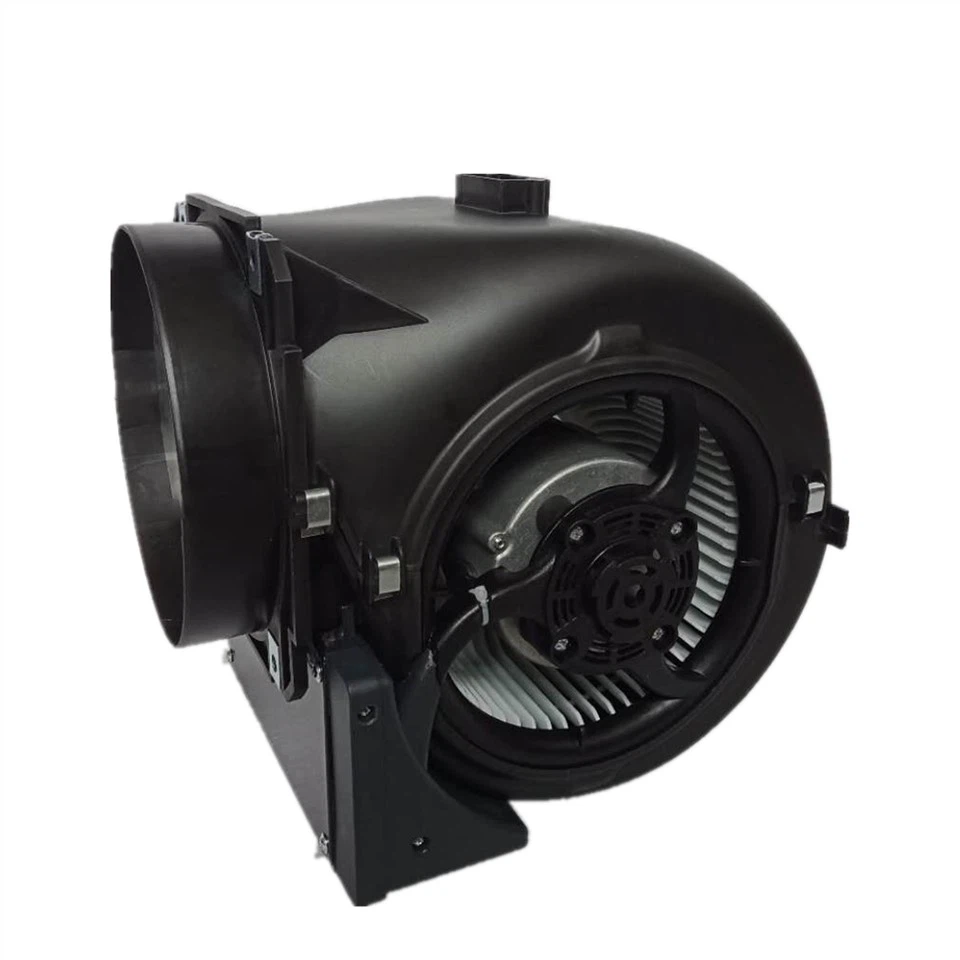
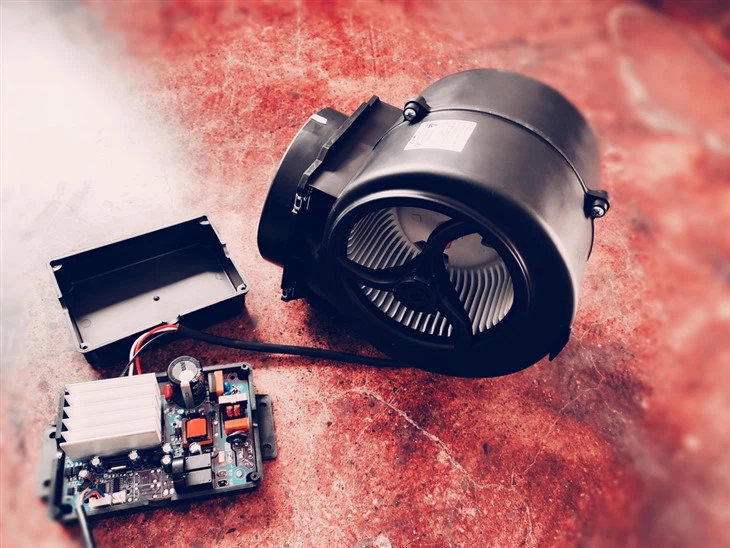
ABS is well - known for its toughness and impact resistance. Blowers made from ABS can withstand accidental knocks and bumps without getting damaged easily. They’re often used in household and commercial settings, such as in Hood Vent Blower systems. ABS also has good surface finish, which not only looks nice but also helps in reducing air resistance, improving the blower’s efficiency.
Composite Materials: The Best of Both Worlds
Composite materials are basically a combination of different substances, and they bring together the strengths of each component.
Fiberglass - Reinforced Plastics (FRP)
FRP is a star in the composite world for radial blade blowers. Fiberglass provides strength and stiffness, while the plastic matrix offers corrosion resistance and light weight. These blowers can be used in harsh industrial environments, such as chemical plants where they need to resist strong acids and alkalis. They’re also used in some Centrifugal Exhaust Fan applications where high performance and resistance to environmental factors are needed.
Ceramics: For Specialized Applications
Ceramics are not as commonly used as metals or plastics, but they have their niche in radial blade blower manufacturing.
Silicon Carbide
Silicon carbide ceramics are known for their high hardness, wear resistance, and excellent thermal conductivity. In high - temperature applications, like in some industrial furnaces or in processes where the blower needs to handle extremely hot air, silicon carbide blades can be a game - changer. They can maintain their shape and performance even under extreme heat, which is something that many other materials can’t do.
Factors Influencing Material Choice
When it comes to choosing the right material for a radial blade blower, several factors come into play.
Application Environment: If the blower is going to be in a corrosive environment, like near a saltwater coastline or in a chemical plant, corrosion - resistant materials like stainless steel, plastics, or FRP are the way to go. For high - temperature areas, ceramics or heat - resistant alloys might be necessary.
Cost: Let’s face it, money matters. Sometimes, the budget might limit the choice of materials. Steel is generally more affordable than stainless steel or some high - end composite materials. So, if cost is a major concern, a manufacturer might opt for a steel blower with proper corrosion protection instead of a more expensive stainless - steel one.
Performance Requirements: If the blower needs to produce a high volume of air at a low pressure, the material’s ability to be shaped into an efficient blade design will be crucial. Plastics are great for this because they can be molded into complex shapes. On the other hand, if high pressure is required, stronger materials like metal are usually better.
Why Choose Our Radial Blade Blowers
As a supplier of radial blade blowers, we take a lot of pride in our products. We carefully select the materials based on the specific needs of our customers. Whether it’s a standard Kitchen Vent Extractor Fan for a home kitchen or a heavy - duty industrial blower, we’ve got you covered. We use high - quality materials and state - of - the - art manufacturing processes to ensure the best performance and durability.
If you’re in the market for a radial blade blower, whether it’s for a small - scale project or a large industrial application, don’t hesitate to reach out. We can help you choose the right blower with the most suitable materials for your needs. Let’s have a chat and see how we can make your ventilation needs a breeze (pun intended).
References
- Handbook of Industrial Fan Engineering
- Plastics for High - Performance Applications
- Metals in Mechanical Design and Manufacturing