

When it comes to setting up an exhaust hood in your kitchen, one of the most crucial components is the motor. And getting the right wiring for that exhaust hood motor is super important. As a supplier of exhaust hood motors, I've seen firsthand how the wrong wiring can lead to all sorts of problems, from poor performance to safety hazards. So, let's dive into what type of wiring is required for an exhaust hood motor.
First off, it's essential to understand the basic electrical requirements of the motor. Most exhaust hood motors operate on standard household electrical systems, which in the United States means 120 volts of alternating current (AC). However, some larger or more powerful models might require 240 volts. You'll need to check the specifications of the specific Vent Hood Motor you're using to determine the correct voltage.
Now, let's talk about the wiring itself. The wiring for an exhaust hood motor should be of high - quality. Copper wiring is by far the most common choice. Copper is an excellent conductor of electricity, which means it can efficiently carry the electrical current from the power source to the motor. It also has good resistance to corrosion, which is important since the kitchen environment can be a bit harsh with moisture and heat.
The gauge of the wire is another critical factor. The gauge refers to the thickness of the wire. For a standard 120 - volt exhaust hood motor, a 14 - gauge wire is usually sufficient. This wire can handle the current load without overheating. However, if you're dealing with a more powerful 240 - volt motor or a motor with a high amperage draw, you might need to use a 12 - gauge wire. A thicker wire can carry more current safely.
When it comes to the wiring connections, they need to be secure. Loose connections can cause arcing, which is not only a fire hazard but can also damage the motor. You should use wire nuts to connect the wires together. Make sure to twist the wires tightly before putting on the wire nut to ensure a good electrical connection.
In addition to the power wiring, many exhaust hood motors also require a ground wire. The ground wire provides a safe path for electrical current in case of a short - circuit. This is a crucial safety feature that should never be overlooked. The ground wire is typically green or bare copper and should be connected to the grounding terminal on the motor and the electrical box.
Now, let's touch on the importance of proper insulation. The wires should be insulated to prevent electrical shocks and short - circuits. The insulation should be rated for the voltage and temperature requirements of the motor. For a kitchen exhaust hood motor, the insulation should be able to withstand the heat and moisture in the environment.
Another aspect to consider is the length of the wiring. If the wiring is too long, there can be a significant voltage drop. A voltage drop can cause the motor to run less efficiently or even overheat. So, try to keep the wiring as short as possible between the power source and the motor.
If you're installing a Range Hood Vent Motor, you might also need to deal with control wiring. This wiring is used to connect the motor to the control panel, which allows you to turn the motor on and off, adjust the speed, etc. The control wiring should be properly labeled and connected according to the manufacturer's instructions.
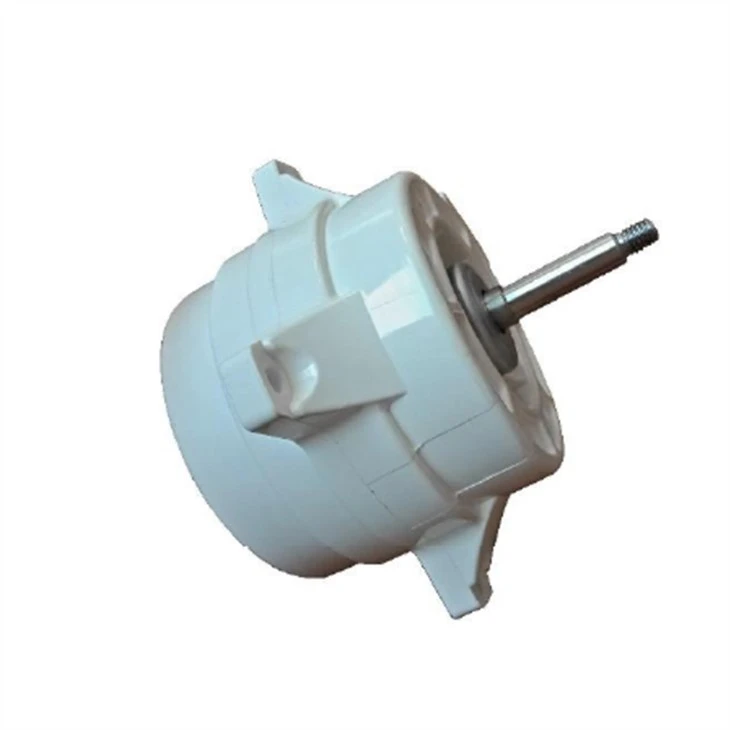
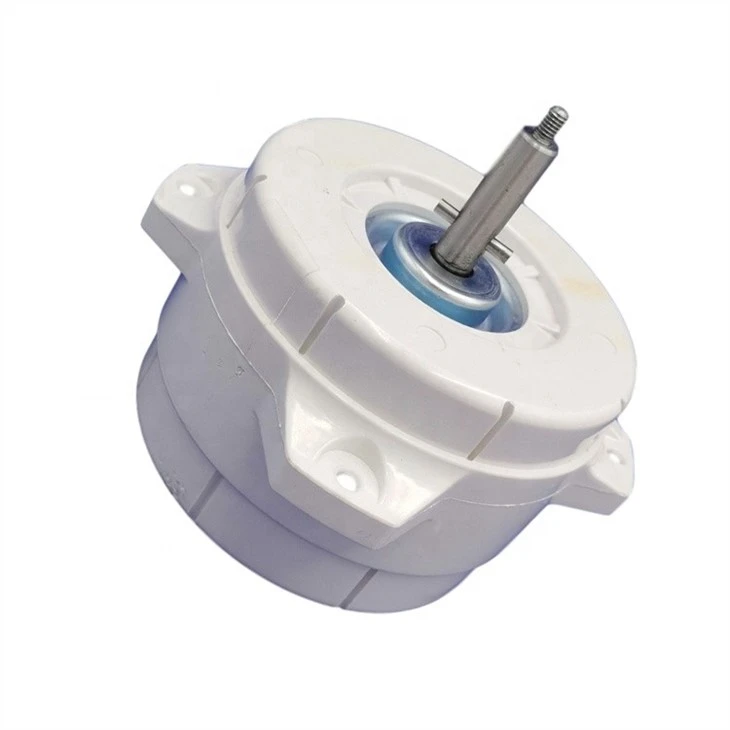
Some exhaust hood motors come with a Plastic Covering Motor For Range Hood. This plastic covering not only protects the motor from physical damage but also helps with insulation. It's important to make sure that the wiring is installed in a way that doesn't interfere with the plastic covering.
When it comes to installation, it's always a good idea to follow the National Electrical Code (NEC). The NEC provides guidelines for safe electrical installations, including those for exhaust hood motors. If you're not confident in your electrical skills, it's best to hire a licensed electrician. They have the knowledge and experience to ensure that the wiring is installed correctly and safely.
As an exhaust hood motor supplier, I can tell you that using the right wiring is essential for the longevity and performance of the motor. A well - wired motor will run more efficiently, last longer, and be safer.
If you're in the market for an exhaust hood motor or have questions about the wiring requirements, I'd love to help. Whether you're a homeowner looking to upgrade your kitchen or a contractor working on a new construction project, we can provide you with high - quality motors and offer advice on the best wiring solutions. Reach out to us to start a conversation about your needs and let's work together to get your exhaust hood up and running smoothly.
References
- National Electrical Code (NEC) Handbook
- Manufacturer's manuals for exhaust hood motors