

Hey there! As a supplier of AC Capacitor Motors, I often get asked about how to test the insulation resistance of these motors. It's a crucial step in ensuring the safety and performance of the motor, so I thought I'd share some insights on this topic.
Why Test Insulation Resistance?
Before we dive into the testing process, let's quickly talk about why it's important to test the insulation resistance of an AC Capacitor Motor. The insulation in a motor is designed to prevent electrical current from leaking out and causing short - circuits or electrical hazards. Over time, factors like heat, moisture, and mechanical stress can degrade the insulation. Testing the insulation resistance helps us detect any early signs of insulation breakdown, which can prevent costly motor failures and ensure the safety of the equipment and the people using it.
Tools You'll Need
To test the insulation resistance of an AC Capacitor Motor, you'll need a few basic tools:
- Insulation Resistance Tester: Also known as a megger, this is the main tool for the job. It sends a high - voltage, low - current signal through the insulation to measure its resistance.
- Safety Gear: This includes insulated gloves, safety glasses, and appropriate footwear. Safety should always be your top priority when working with electrical equipment.
Pre - Test Preparations
Before you start testing, there are a few things you need to do:
- Turn Off the Power: Make sure the motor is completely disconnected from the power source. This will prevent any electrical shocks during the testing process.
- Discharge the Capacitor: AC Capacitor Motors have capacitors that can store electrical charge. Use a properly rated resistor to discharge the capacitor safely before testing.
- Clean the Motor: Remove any dirt, dust, or debris from the motor terminals and the exterior of the motor. This can affect the accuracy of the test results.
The Testing Process
Here's a step - by - step guide on how to test the insulation resistance of an AC Capacitor Motor:
- Set Up the Insulation Resistance Tester: Select the appropriate voltage setting on the megger. For most AC Capacitor Motors, a 500 - volt or 1000 - volt setting is suitable.
- Connect the Test Leads: Connect one lead of the megger to the motor winding terminal and the other lead to the motor frame (ground). Make sure the connections are secure.
- Take the Reading: Press the test button on the megger and hold it for about 60 seconds. This allows the insulation to stabilize and gives you an accurate reading. The reading is usually given in megohms (MΩ).
- Interpret the Results: A good insulation resistance reading for an AC Capacitor Motor is typically above 1 MΩ. If the reading is significantly lower, it could indicate insulation damage or moisture ingress.
What to Do If the Results Are Low
If the insulation resistance reading is lower than expected, here are some steps you can take:
- Check for Moisture: Look for signs of water or condensation inside the motor. If moisture is present, dry the motor thoroughly and retest.
- Inspect the Insulation: Check for any visible signs of damage to the insulation, such as cracks or burns. If you find any damage, the motor may need to be repaired or replaced.
- Repeat the Test: Sometimes, the low reading could be due to a faulty connection or a temporary issue. Repeat the test a few times to confirm the results.
Different Types of AC Capacitor Motors
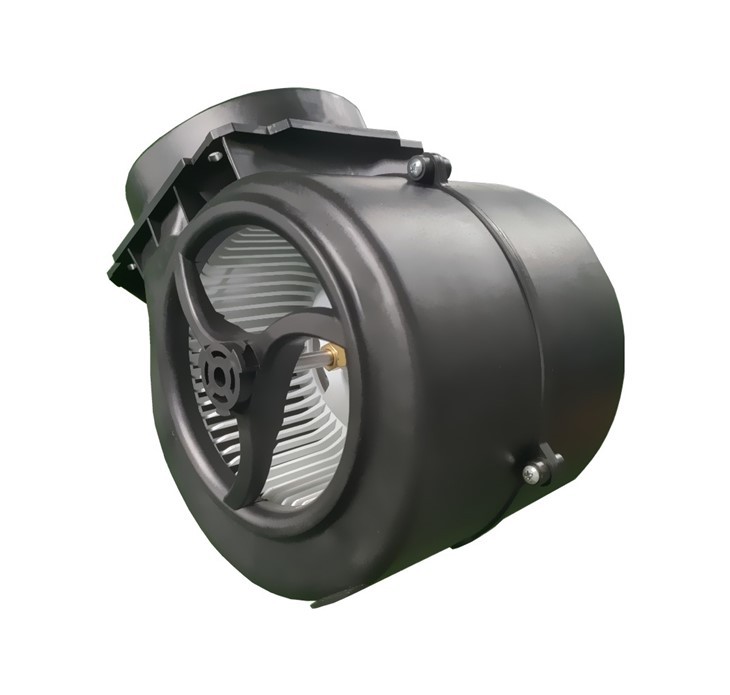
We supply a wide range of AC Capacitor Motors, including Blender AC Capacitor Motor, Air Cooler Motor, and Exhaust Blower Motor. The testing process is generally the same for all these types of motors, but it's always a good idea to refer to the manufacturer's specifications for any specific requirements.

Importance of Regular Testing
Regularly testing the insulation resistance of your AC Capacitor Motors can save you a lot of headaches in the long run. It can help you identify potential problems early on and take preventive measures to avoid motor failures. This is especially important if you're using the motors in critical applications, such as in industrial settings or in equipment that requires continuous operation.
Conclusion
Testing the insulation resistance of an AC Capacitor Motor is a relatively simple but important process. By following the steps outlined above and taking the necessary safety precautions, you can ensure the safety and reliability of your motors. If you're in the market for high - quality AC Capacitor Motors or have any questions about testing or maintenance, don't hesitate to reach out to us. We're here to help you make the best choices for your needs. Whether you need a Blender AC Capacitor Motor, an Air Cooler Motor, or an Exhaust Blower Motor, we've got you covered. Let's start a conversation about your motor requirements and see how we can work together!
References
- Electrical Safety Standards Handbook
- AC Capacitor Motor Manufacturer's Manuals