

Hey there! If you're in the market for an AC capacitor motor or just curious about them, you've come to the right place. I'm an AC capacitor motor supplier, and I've seen firsthand how important it is to get the voltage requirements right. So, let's dive in and figure out what voltage your AC capacitor motor needs!
Understanding AC Capacitor Motors
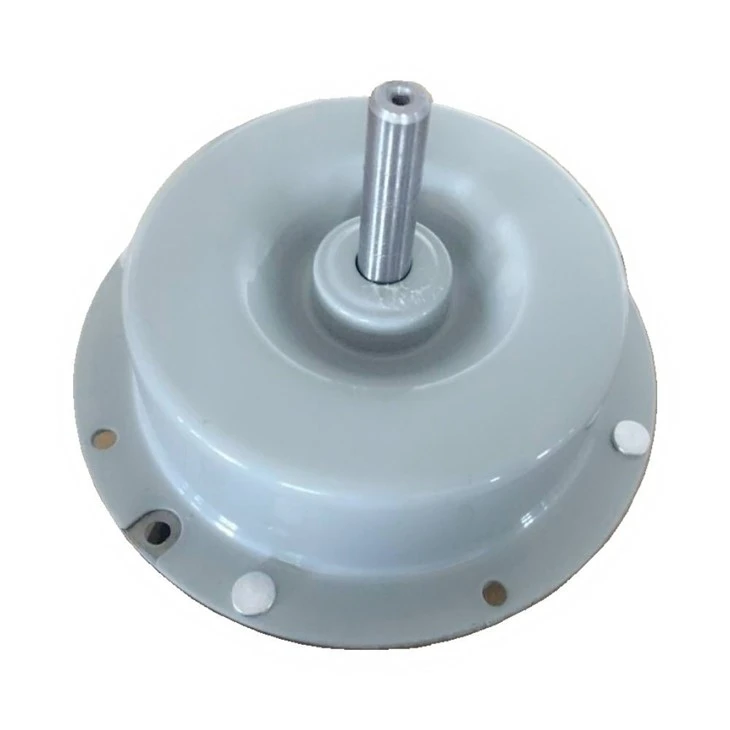
First things first, let's quickly talk about what an AC capacitor motor is. These motors are pretty cool because they use a capacitor to create a phase shift in the current, which helps the motor start and run more efficiently. They're used in all sorts of applications, from Condenser Motor in HVAC systems to Dehumidifier Ac Capacitor Motor in your home dehumidifier and Exhaust Ventilator Fan Motor in your bathroom.
Why Voltage Matters
Voltage is like the fuel for your AC capacitor motor. If the voltage is too low, the motor might not start at all, or it could run so slow that it won't do its job properly. On the other hand, if the voltage is too high, it can overheat the motor, damage the capacitor, and even shorten the motor's lifespan. So, getting the right voltage is crucial for the motor to work efficiently and last a long time.
Standard Voltage Requirements
Most AC capacitor motors in residential and commercial applications are designed to run on standard household voltages. In the United States and some other countries, that's usually 120 volts or 240 volts. In Europe and many other parts of the world, the standard voltage is 230 volts.
- 120 Volts: This is a common voltage for smaller motors, like those used in fans, small appliances, and some low - power ventilation systems. These motors are usually designed for light - duty applications and don't require a lot of power.
- 240 Volts: Larger motors, such as those in air conditioners, washing machines, and some industrial fans, often run on 240 volts. Using a higher voltage allows these motors to draw more power and generate more torque, which is necessary for heavier loads.
- 230 Volts: In Europe and other regions with a 50 - Hz power supply, 230 volts is the standard. Motors designed for this voltage are used in a wide range of applications, similar to those in 120 - volt and 240 - volt systems but adapted to the local power grid.
Factors Affecting Voltage Requirements
The specific voltage requirement for an AC capacitor motor depends on several factors:
Motor Size and Power Rating
Bigger motors with higher power ratings generally need more voltage to operate. For example, a small Exhaust Ventilator Fan Motor might be able to run on 120 volts, but a large industrial condenser motor might require 240 volts or even higher if it's a three - phase system.
Application and Load
The type of application and the load the motor has to handle also play a role. Motors used in high - torque applications, like starting a compressor in an air conditioner, need more voltage to get the job done. If the load is light, like a small desk fan, the motor can usually operate on a lower voltage.
Capacitor Size and Type
The capacitor in an AC capacitor motor is an important component that affects voltage requirements. Different capacitors have different capacitance values, and the right combination of capacitor and motor is needed for proper operation. A larger capacitor might be used in a motor that requires more starting torque, and this can also influence the voltage needed.
Checking the Voltage Requirement
So, how do you know what voltage your AC capacitor motor needs? The easiest way is to check the motor's nameplate. The nameplate is usually a small metal or plastic plate attached to the motor, and it contains important information like the voltage rating, power rating, speed, and other specifications.
If you can't find the nameplate or if it's damaged, you can also consult the motor's manual. If you don't have the manual, you can contact the manufacturer or a professional electrician who can help you determine the correct voltage.
Voltage Fluctuations and Their Impact
In the real world, the voltage in your electrical system might not be perfectly stable. Voltage fluctuations can occur due to various reasons, such as power grid issues, heavy loads on the same circuit, or problems with your electrical service.

- Low Voltage: When the voltage drops below the motor's rated voltage, the motor might struggle to start or run. It could draw more current to compensate, which can cause overheating and damage to the motor windings. In some cases, the motor might stall completely.
- High Voltage: High voltage can also be a problem. It can cause the motor to run too fast, generate excessive heat, and put extra stress on the capacitor and other components. Over time, this can lead to premature failure of the motor.
To protect your AC capacitor motor from voltage fluctuations, you can use a voltage regulator or a surge protector. These devices can help keep the voltage within a safe range and extend the life of your motor.
Choosing the Right Motor for Your Voltage
If you're in the process of buying an AC capacitor motor, it's important to make sure it's compatible with your electrical system. Here are some tips:
- Check your local voltage: Before you start shopping, know what the standard voltage in your area is. This will help you narrow down your options.
- Consider the application: Think about what the motor will be used for and how much power it needs. This will help you choose a motor with the right power rating and voltage requirement.
- Read the specifications: Always read the motor's specifications carefully to make sure it meets your needs. Look for information about the voltage rating, power consumption, speed, and other important features.
Conclusion
Understanding the voltage requirement for an AC capacitor motor is essential for getting the most out of your motor and ensuring its longevity. Whether you're using a Condenser Motor, a Dehumidifier Ac Capacitor Motor, or an Exhaust Ventilator Fan Motor, make sure you know the right voltage and take steps to protect the motor from voltage fluctuations.
If you're looking for high - quality AC capacitor motors that are designed to meet your specific voltage requirements, I'm here to help. As a supplier, I have a wide range of motors to choose from, and I can provide you with the expert advice you need to make the right decision. Contact me today to start a conversation about your motor needs and let's work together to find the perfect solution for your application.
References
- Electric Motor Handbook, various editions
- Electrical Engineering textbooks on motor theory
- Manufacturer's manuals for AC capacitor motors